The 150 year story of Gladding McBean, the Lincoln clay company that built the western United States, and the Lincoln landmarks you can still visit today.
A 150 year story of railroads, kaolin, terra cotta, and the company whose fingerprints are still all over town.
Most people moving to Lincoln today see a fast growing suburb with great schools, wide open parks, and easy access to Sacramento. What they may not realize is that the ground beneath their feet has been telling a much older story for 150 years. Lincoln was not built on gold like so many California towns. It was built on clay, and one company made it all possible.
A town born from the railroad
Lincoln started as a railroad town in 1859. Engineer Theodore Judah surveyed and laid out the townsite along the proposed line of the California Central Railroad, and the town was named for Charles Lincoln Wilson, one of the organizers behind the railroad. On November 23, 1859, town lots sold at auction in Sacramento for between $20 and $400 each. By October 1861, the railroad reached Lincoln with the help of Chinese laborers, and the line breathed life into the new town.
The boom was short lived. When the railroad extended further north, much of the population and business moved with it, and Lincoln settled into a quiet lull. That changed in the early 1870s when something remarkable was discovered beneath the soil.
The newspaper article that changed everything
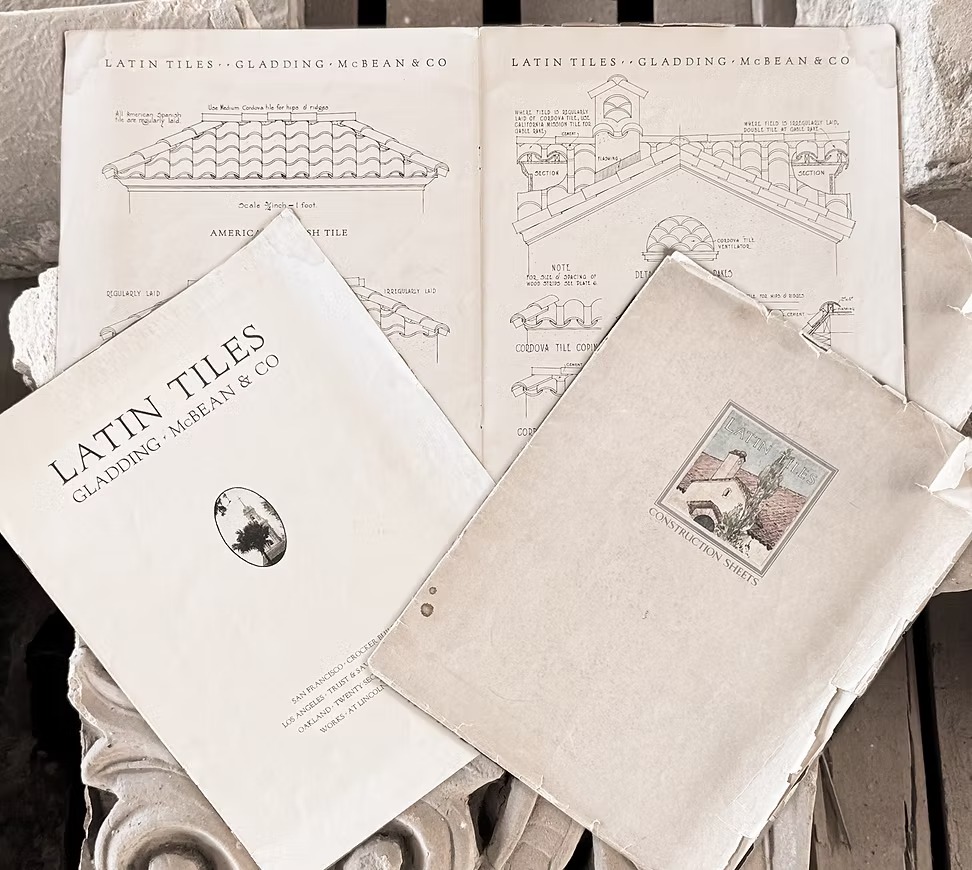
Gladding McBean was founded after a newspaper article led Charles Gladding to Lincoln. Gladding was a Civil War veteran from Buffalo, New York who had spent years in the clay sewer pipe business in Chicago. In 1874, while looking for opportunities in California, he read a newspaper article about a large clay deposit near the small town of Lincoln. He made the trip, had samples tested in Oakland and San Francisco, and confirmed an unusually fine deposit of white kaolin clay sitting right next to a railroad line.
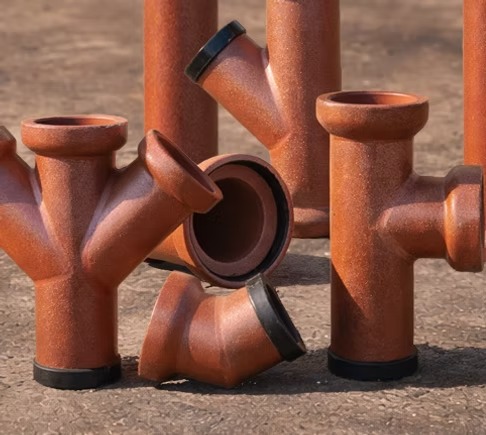
“The first clay sewer pipe plant west of the Rocky Mountains opened in Lincoln in 1875, and the town was never the same.”
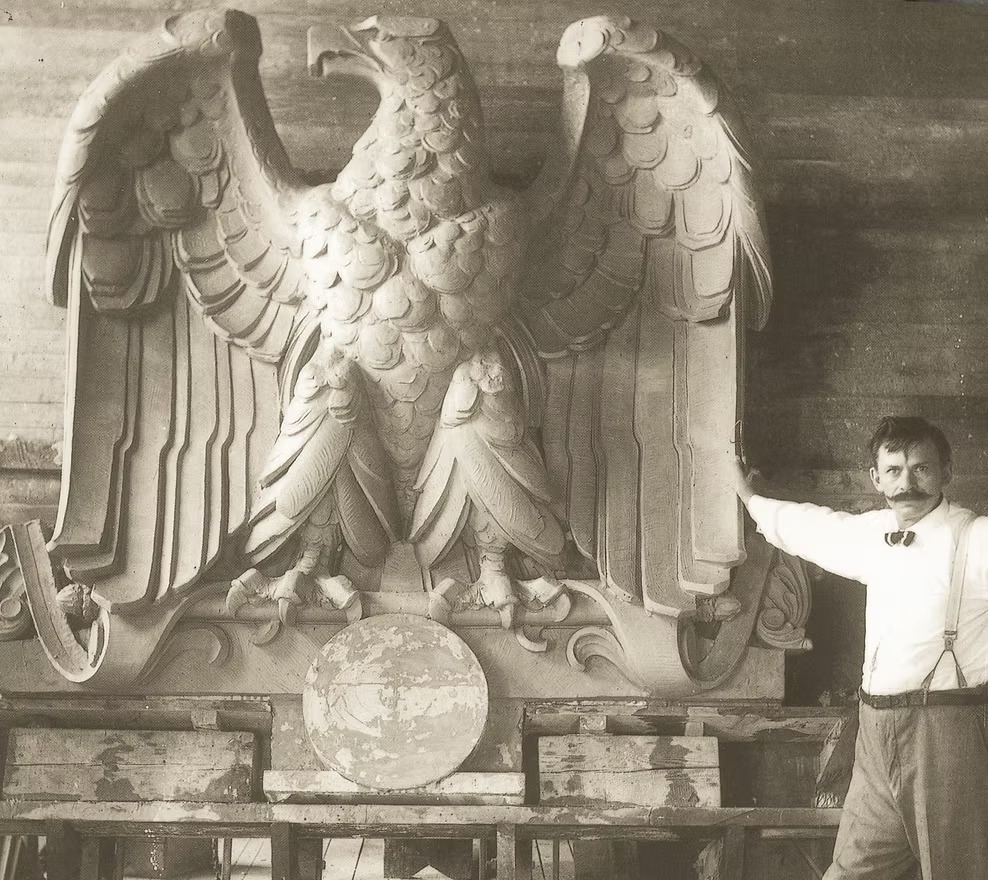
Gladding partnered with Peter McGill McBean and George Chambers, and in 1875 they founded Gladding McBean and Company. Their first shipment of clay sewer pipe left Lincoln and arrived in San Francisco on August 6, 1875. By 1883 the company had 75 employees, and it soon expanded into architectural terra cotta, the decorative and structural clay facing that would define the look of cities across California and the American West.
What they built, and what it meant for Lincoln
For generations, if you lived in Lincoln, you either worked at the Gladding McBean factory or you knew someone who did. The company was the economic backbone of the town, and its relationship with the community ran deep. When a union strike was threatened over a century ago, Lincoln merchants stepped in and mediated the dispute themselves. A few years later, the factory workers turned around and built McBean Stadium for the community with their own hands.
The company survived a devastating 1918 factory fire, with the kilns remaining intact and production continuing throughout the rebuilding. It survived the Great Depression by pivoting into dinnerware, introducing the now iconic Franciscan line in 1934. That china became so beloved that Jacqueline Kennedy chose it for use on Air Force One, Eleanor Roosevelt selected the Apple pattern for her private cottage, and it appeared on Richard Nixon’s Presidential Yacht. In 1976, when the parent company announced plans to close the Lincoln plant, Pacific Coast Building Products stepped in, purchased the factory, and restored the Gladding McBean name.

Gladding McBean landmarks you can visit in Lincoln today
The fingerprints of Gladding McBean are all over Lincoln. Plan a half day walk and you can hit them all.
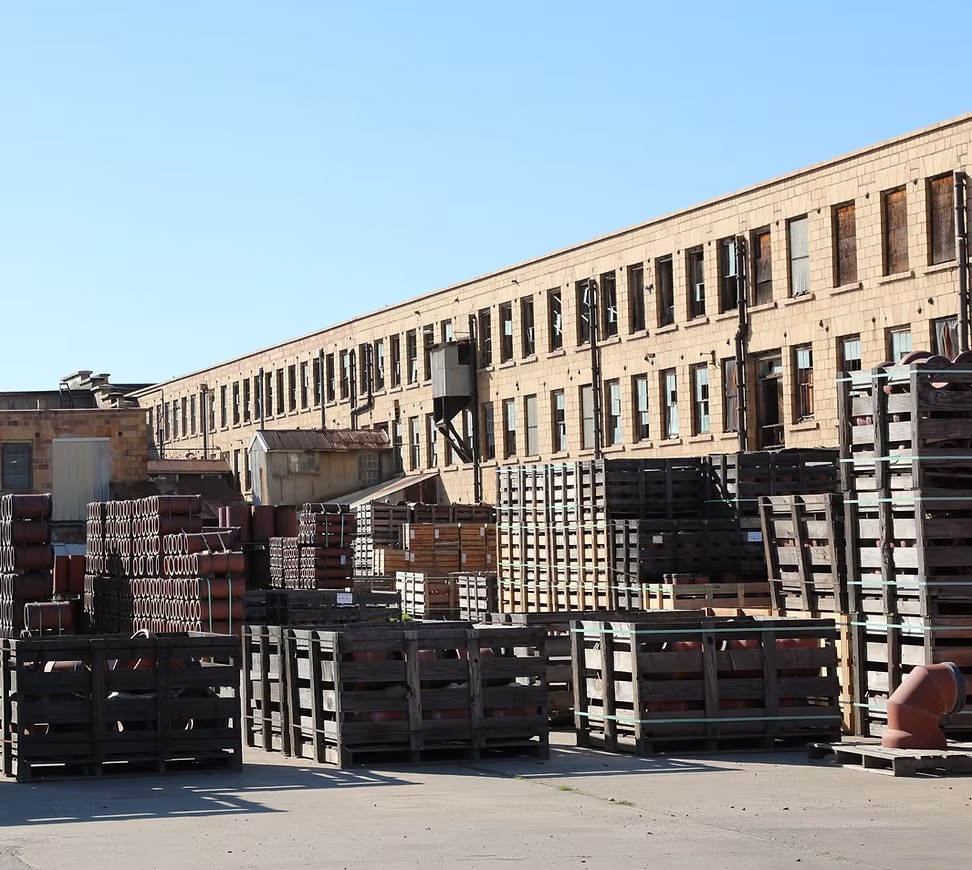
150 years of beehive kilns still firing at the end of Lincoln’s main road. Some buildings on the property are over a century old and still in active use.
Built by factory workers themselves in 1925 as a gift to the community. Home today to Lincoln Little League, William Jessup University Baseball, and the Lincoln Potters.
Inside McBean Park. Recently celebrated its 100th anniversary. Home of the Lincoln Lightning and Lightning Bugs swim teams.
Built with Andrew Carnegie funds and significant Gladding McBean support, showcasing local clay products throughout its construction.
Look up. The brick buildings and terra cotta facades lining G Street are Gladding McBean clay. The whole district carries the architectural DNA of the company.
Still here after 150 years

Most 19th century industries are long gone. Gladding McBean is not. The factory at 601 7th Street still draws clay from deposits right down the road, still fires kilns that have been running for over a century, and still ships product across the country. The artisans inside still work primarily by hand, because some things cannot be done any other way.
This Saturday, ClayFest returns to Beermann Plaza for its 38th year, honoring exactly this legacy. Ceramic artists will transform donated Gladding McBean clay pipes into works of art right in front of you. It is free, it is family friendly, and it is one of the most Lincoln things you can do.
Lincoln was not built on gold. It was built on clay, and the proof is all around you.
Plan a visit to the factory at 601 7th Street, or stop by ClayFest this Saturday at Beermann Plaza.